 Peoples' Review
Charisma during uncertainty: The rise of a populist leader in modern Nepal
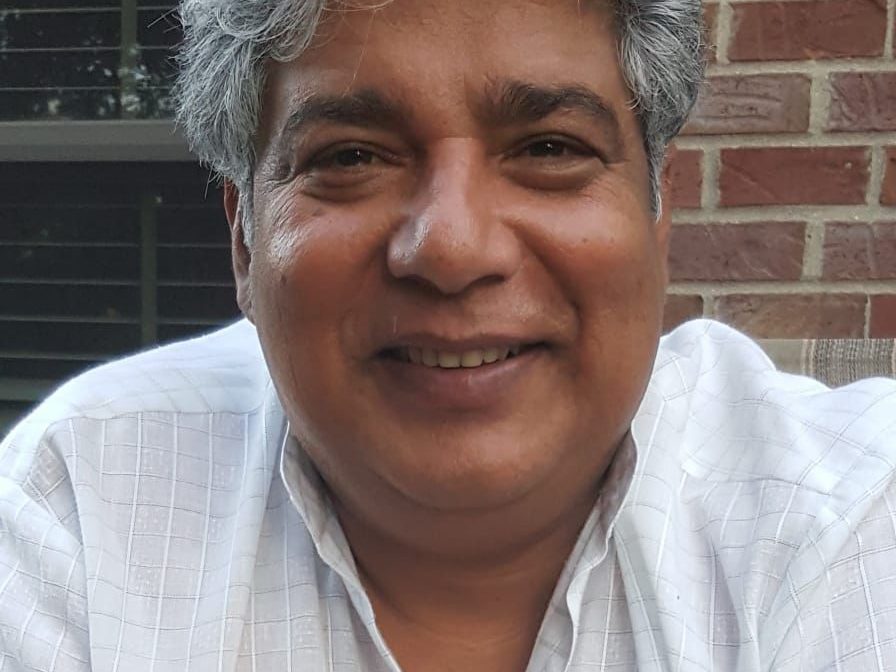
By Janardan Subedi
In times of deep social uncertainty, political charisma often comes from unexpected sources. History shows that charismatic authority is seldom created solely through formal institutions. Instead, it surfaces during crises when existing systems lose credibility, and ordinary people seek figures who seem genuine, decisive, and unafraid to challenge entrenched power. At such times, charisma remains hidden within individuals until social conditions trigger it with explosive force. When institutional legitimacy wanes and public frustration grows, society itself produces charismatic leaders. If one views this understanding of charisma as situational rather than innate, then the recent rise of Durga Prasai as a notable public figure in Nepal becomes easier to understand.

I am neither an admirer nor an opponent of Mr. Prasai. My goal here is not to praise or criticize his role but to understand it. Still, his growing presence in Nepal’s increasingly troubled political landscape demands careful consideration. When a person attracts widespread public attention, regardless of their official position or institutional authority, they become sociologically important. Ignoring such a figure would mean ignoring the conditions that created him. Therefore, this reflection is driven less by the man himself than by the political and social environment that has allowed his rise.
Until recently, few would have predicted that a figure like Durga Prasai would attract national attention as he has. He consistently presents himself as someone with an eighth-grade education, lacking the refinement and sophistication typically linked to urban political elites. In a political culture where education, background, and rhetorical skills often define leadership, such self-presentation might have been expected to limit his appeal. Instead, it seems to have bolstered it. His rejection of elite mannerisms has allowed him to embody what many see as the voice of the “bhuimanchhe,” the ordinary citizen who feels excluded from formal politics and ignored by decision-makers in Kathmandu.
This identification with everyday people is key to understanding his appeal. Kathmandu often dominates national conversations, shaping political stories that don’t always match the realities of rural and peri-urban Nepal. While Kathmandu is part of Nepal, Nepal isn’t only Kathmandu. The daily experiences of people outside the capital often differ from the stories told within urban elite circles. When Prasai speaks, many of his supporters feel he voices frustrations that established political figures have long ignored. Whether one agrees with his views, the idea that he speaks uncomfortable truths has boosted his popularity.
Charisma, however, is not just about personal style. It is a social connection between a leader and followers who see something exceptional in that person. This recognition does not happen in a vacuum. It arises from shared grievances, collective anxieties, and a widespread feeling that existing institutions have failed to solve urgent problems. In Nepal’s case, years of political instability, economic struggles, and broken promises have weakened public trust. Many citizens feel that the political system has become disconnected from their daily challenges. In this climate, leaders who seem unfiltered and straightforward can gain an aura of authenticity that more polished politicians find hard to match.
The rise of Prasai as a charismatic figure must therefore be understood within this larger context of institutional disillusionment. His ascent is less about personal ambition and more a sign of systemic dissatisfaction. When people begin to lose faith in established parties and leaders, they often turn to outsiders who promise to shake up the status quo. These outsiders may lack formal political experience, but they make up for it with emotional appeal and symbolic power. Their charisma doesn’t come from institutional authority but from the perception that they stand outside corrupt or ineffective systems.
At the same time, charisma is inherently fragile. It relies on ongoing recognition from followers and can fade if expectations aren’t met. Turning charismatic appeal into lasting political influence needs organizational strength, strategic clarity, and the ability to turn rhetoric into policy. Many charismatic leaders throughout history have struggled to make this switch. The qualities that help a leader rally discontent don’t always prepare them to govern successfully. Therefore, the long-term importance of Prasai’s rise remains uncertain.
One of the most revealing aspects of his political trajectory is the state’s contradictory response. He moves in and out of jail, yet an equal number of times, he has been invited by Madam Karki’s government to negotiate. This paradox raises fundamental questions about how the state perceives his role. Is he regarded as a criminal who must be contained, or as a political actor who must be engaged? The oscillation between incarceration and negotiation suggests not a coherent policy but a deeper uncertainty within the state apparatus. It reflects a government unsure whether it is confronting a law-and-order issue or broader political discontent.
This ambiguity is important because it shows how hard it is to manage charismatic movements within organizations. When a government sees a leader as both a threat and a partner, it shows doubt about its own legitimacy and power. Repression alone can make the leader more popular by supporting victimization stories. Negotiation alone can lend legitimacy to positions that might violate constitutional rules. Using both tactics simultaneously reveals a lack of agreement among those in power on how to handle the situation.
Such contradictions are not unique to Nepal. Governments worldwide have struggled to respond effectively to charismatic outsiders who gain support from marginalized or disaffected groups. The tension between maintaining order and addressing grievances often leads to inconsistent policies that do not fully satisfy either goal. In Nepal’s case, this tension is worsened by the country’s complex political history and ongoing debates about national identity and governance.
Another key aspect of Prasai’s appeal is his perceived authenticity. In a time when political messaging is often carefully crafted, authenticity has become a valuable asset. Supporters frequently see his lack of polish as a sign of honesty. This perception can often be more impactful than the actual content of his arguments. When people believe a leader truly understands their struggles, they may overlook inconsistencies or flaws. Charisma influences both emotion and reason, forming connections that aren’t easily broken by criticism alone.
Yet authenticity is also a double-edged sword. The same qualities that make a leader appealing can hinder their ability to build broad coalitions. A style that resonates with one part of society might alienate another. For a charismatic figure to turn personal appeal into national leadership, they must find ways to bridge social and regional divides. Whether Prasai can achieve this remains an open question.
The role of media and communication technologies also warrants attention. While access to smartphones and digital platforms has grown quickly, having access does not automatically mean users are engaging in a sophisticated way. Being able to use technology for communication does not necessarily mean one can evaluate information critically. In many situations, digital platforms tend to amplify emotional stories and make complex issues seem simpler. Charismatic figures often thrive in this environment because their messages are easily shared and emotionally impactful.
At the same time, it would be a mistake to attribute Prasai’s rise only to technology. His appeal seems rooted in deeper social forces that existed before the digital age. Technology might speed up the spread of his message, but it doesn’t fully explain why that message strikes a chord. The real reasons are found in structural inequalities, regional disparities, and ongoing feelings of exclusion from political processes.
The question of whether Prasai is a transformative force in Nepali politics remains unanswered. Charisma alone cannot reshape political realities. Lasting change requires institutions that can turn popular energy into sustainable reforms. Without such institutions, charismatic movements often fade or are absorbed into existing systems. The challenge for any charismatic leader is to go beyond symbolic gestures and deal with the practical complexities of governance.
In Nepal, the rise of figures like Prasai may signal a broader shift in political culture. It shows that traditional authority is being questioned and that new leadership styles are being tested. This process can be disruptive but also offers chances for renewal. When citizens demand greater accountability and responsiveness, they encourage institutions to change.
Whether Prasai ultimately becomes a transformative leader or just a passing phenomenon depends on how he manages the shift from protest to politics. It also depends on how institutions respond to the challenges he presents. If his rise encourages meaningful reflection on the root causes of public dissatisfaction, it could lead to positive change. If it only results in confrontation and polarization, its influence may be more limited.
What can be confidently said is that charisma has played a crucial role in his rise. During uncertain times, societies often seek leaders who can express collective frustrations and provide a sense of direction. Prasai’s ascent reflects this pattern. He might not align with traditional leadership models, but his ability to connect with certain segments of the population indicates that charisma remains a strong force in Nepali politics.
In this context, his rise is more about the circumstances that enabled it than about one person. Charisma doesn’t exist in isolation; it results from the interaction between leaders and the societies that acknowledge them. When uncertainty increases and trust drops, charismatic figures tend to emerge more frequently. Nepal today seems to be such a moment, a time when new leadership styles are being tested amidst a society in transition.
How this process develops will influence the future of Nepali politics. For now, it is enough to notice that a figure once seen as marginal has become a focal point of national attention. That change alone speaks volumes about the country’s current situation and the lasting power of charisma during uncertain times.
The post Charisma during uncertainty: The rise of a populist leader in modern Nepal appeared first on Peoples' Review.