npl.977 Nepal News Stream

Gandak News logo

Gandak News

Gandak News: Gandaki News | GandakiNews | News Gandaki | News Gandak | Gandaki Samachar | Leading News Pokhara | No. 1 News from Pokhara, Gandaki, Nepal

Contents

Vianet Donates 200 Life Jackets to Fewa Boat Entrepreneurs and Baidam Police

Gandak News 6 days ago

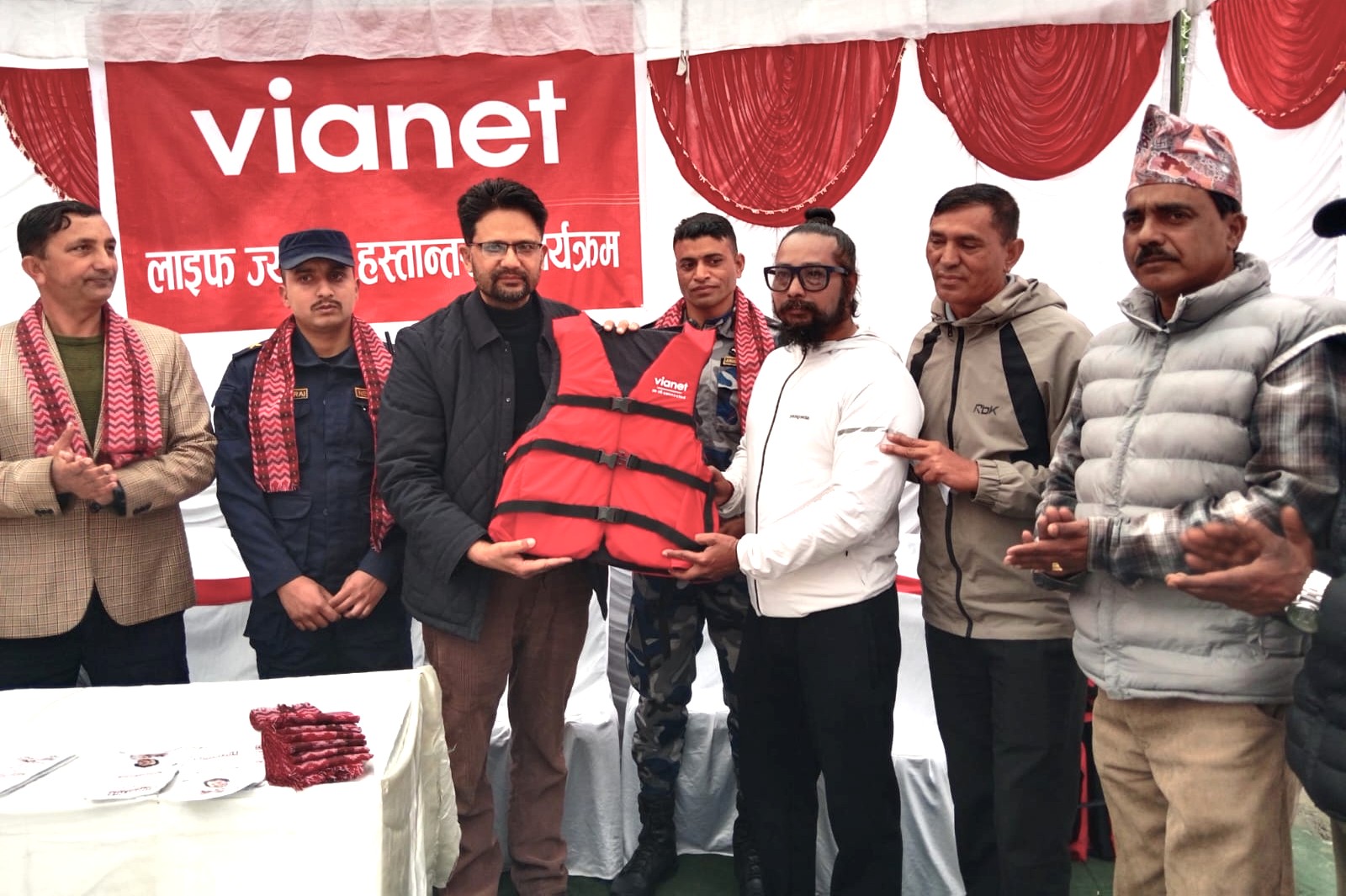
Pokhara: Internet and television service provider Vianet Communications Pvt. Ltd. has donated life jackets to the Fewa Boat Entrepreneurs’ Organization and the Ward Police Office, Baidam. As part of its corporate social responsibility initiative, the company distributed a total of 200 life jackets to the two institutions.

The life jackets were handed over during a program held on Tuesday at Barahi Ghat on the shore of Phewa Lake, a major tourist destination in Pokhara.

Vianet’s Chief Financial Officer, Arun Karki, presented the life jackets to Rudra Bhujel, Acting President of the Fewa Boat Entrepreneurs’ Organization, and Police Inspector Shishir Bhattarai of the Ward Police Office, Baidam.
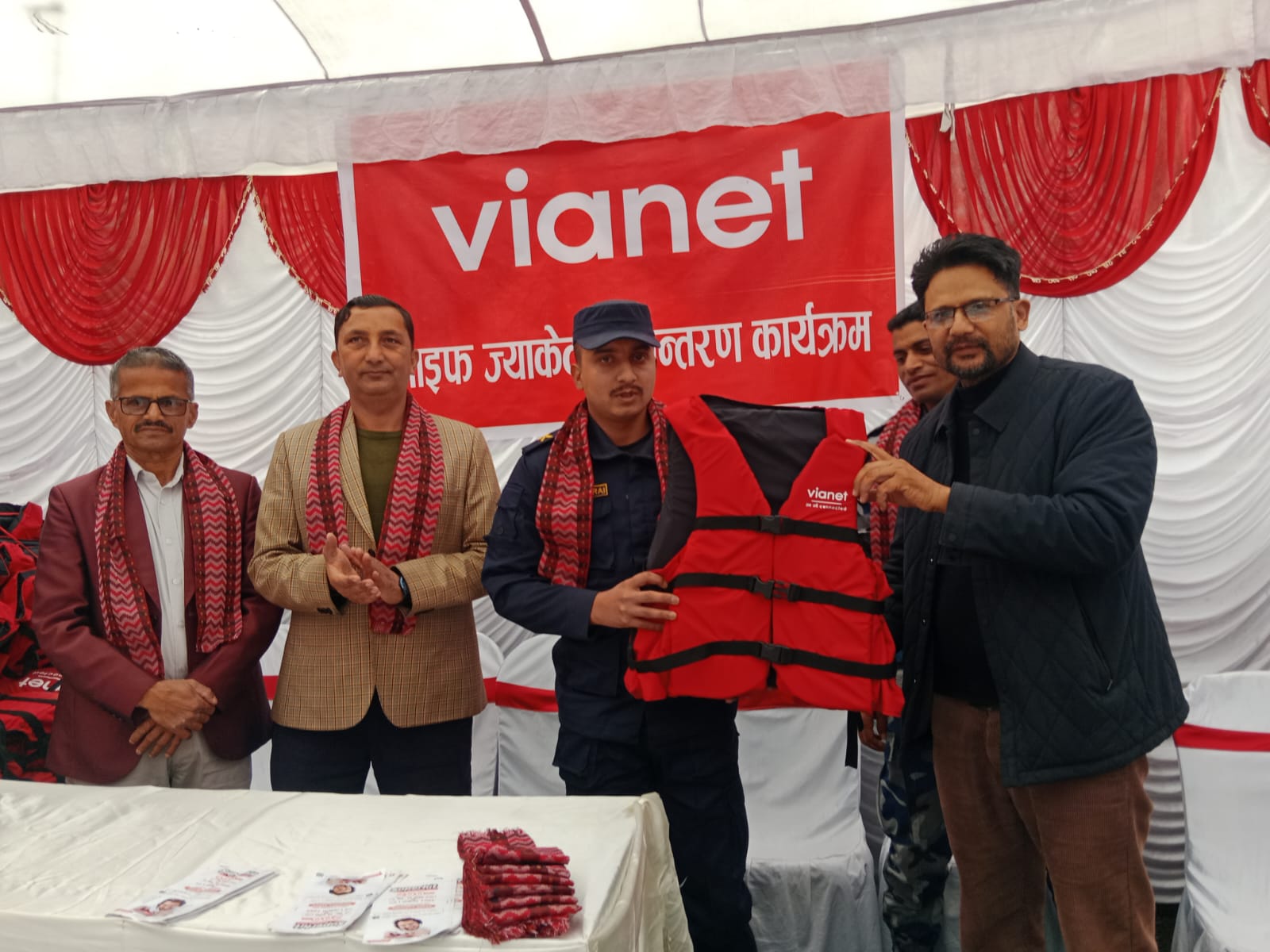
Out of the total distribution, 185 life jackets were provided to the Fewa Boat Entrepreneurs’ Organization and 15 to the Ward Police Office, Baidam.

Speaking at the event, CFO Arun Karki stated that the life jackets were donated to help ensure the safety of passengers boating on Phewa Lake. Pokhara Branch Chief Dipesh Sigdel added that the support was extended under the company’s social responsibility program and expressed commitment to assisting other social organizations in the future as well.

Shivarudra GC, Secretary of the Fewa Boat Entrepreneurs’ Organization, said that around 800 boats are currently operating on Phewa Lake and that wearing life jackets has been made mandatory for passengers. He assured that the donated life jackets would be properly utilized.
During the program, guests in attendance were taken on a boat ride across Phewa Lake while wearing Vianet-provided life jackets, including a tour around the famous Tal Barahi Temple.
Elections Are Coming. Are Our Protection Systems Ready?

Gandak News 1 week ago

As Nepal prepares for another election cycle, public debate has understandably turned toward economic growth, employment, infrastructure, and federal governance. These are pressing national concerns. But as manifestos are drafted and speeches delivered, one issue risks being sidelined: the safety and protection of women and children.

Protection is often treated as a “social issue.” In reality, it is a governance issue.

Every year, Nepal Police register thousands of cases related to domestic violence, sexual assault, child abuse, and trafficking. The Nepal Demographic and Health Survey (NDHS 2022) continues to show that a significant proportion of women experience intimate partner violence during their lifetime. While reporting has improved, reflecting growing awareness, the numbers also reveal the depth of the challenge.

These statistics are not abstract. They reflect the daily realities of women in rural municipalities, adolescents navigating digital risks, migrant families facing economic pressure, and children growing up in environments shaped by inequality.

Nepal’s shift to federalism created important opportunities. Local governments now hold responsibilities for social protection, safe shelter services, child welfare coordination, and community-level prevention. In some municipalities, this decentralization has led to stronger local engagement and quicker response.

But federalism has also exposed uneven capacity.

If governance is to be meaningful, three areas deserve serious attention in the next electoral mandate.

In many areas, protection systems depend heavily on individual officers, social workers, or local leadership. Training, budget allocation, and procedural clarity vary widely. When coordination between institutions is strong, survivors experience systems as supportive. When it is weak, processes can become confusing and burdensome, particularly for women and young girl survivors of violence from remote districts trying to access services.

The legal framework exists. Nepal has laws addressing domestic violence, child protection, and trafficking. National plans and provincial strategies have been drafted. The real question is not whether policies exist; it is whether implementation is consistent.

As election rhetoric intensifies, it is worth asking: Where does protection sit in our political priorities?

If governance is to be meaningful, three areas deserve serious attention in the next electoral mandate.

First, strengthening local-level capacity must be prioritized. Federalism shifted responsibility, but not all municipalities have adequately trained personnel or resources. Investing in social workers, improving inter-agency coordination, and ensuring regular training for local officials can significantly strengthen frontline response.

Second, prevention must move from the margins to the center. Most public systems focus on responding after harm has occurred. Long-term investment in prevention, including school-based education, community dialogue, engagement with men and boys, and economic support for vulnerable households, is essential if we want sustainable change.

Third, emerging risks require updated responses. Cyber harassment, online exploitation, unsafe migration, and cross-border trafficking are evolving challenges. Protection mechanisms must adapt accordingly.

These priorities are not partisan. They are foundational to social stability and development.

A country cannot claim inclusive progress while women fear reporting violence or children hesitate to seek help. Infrastructure development and economic reform are vital, but they cannot substitute for systems that protect human dignity.

Elections provide more than an opportunity to choose representatives. They offer a chance to shape governance priorities for the next five years.

Protection should not be reduced to a manifesto bullet point. It should be integrated into how we understand development itself.

A strong democracy is measured not only by voter turnout, but by how well institutions serve those most vulnerable. As Nepal heads to the polls, strengthening protection systems is not an optional agenda. It is a necessary one.

(Writer Khadka is a Women and Child Protection Practitioner in Pokhara, Nepal.)

US Ambassador Thompson Inspects NICU at Pokhara Academy of Health Sciences

Gandak News 3 months ago

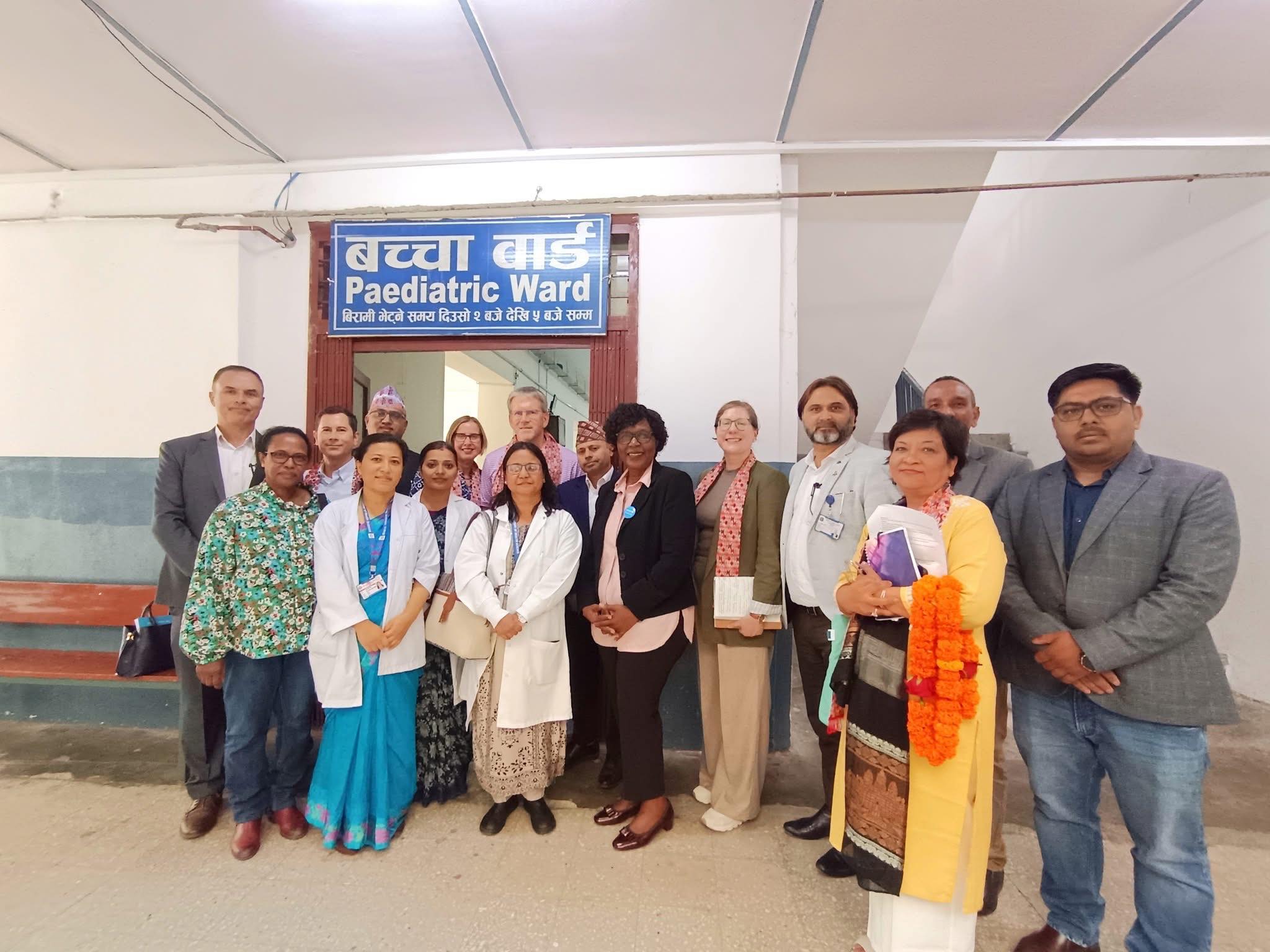
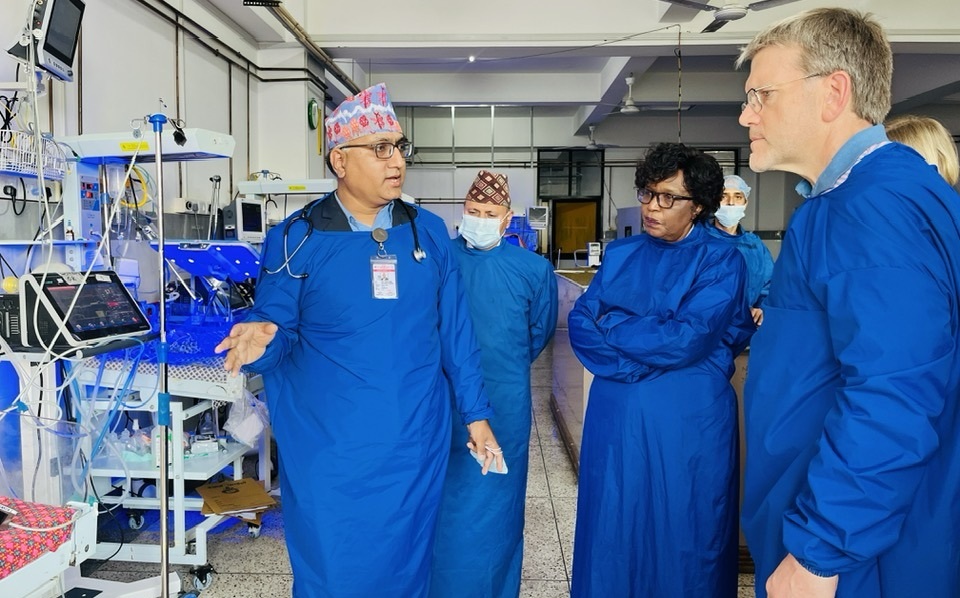
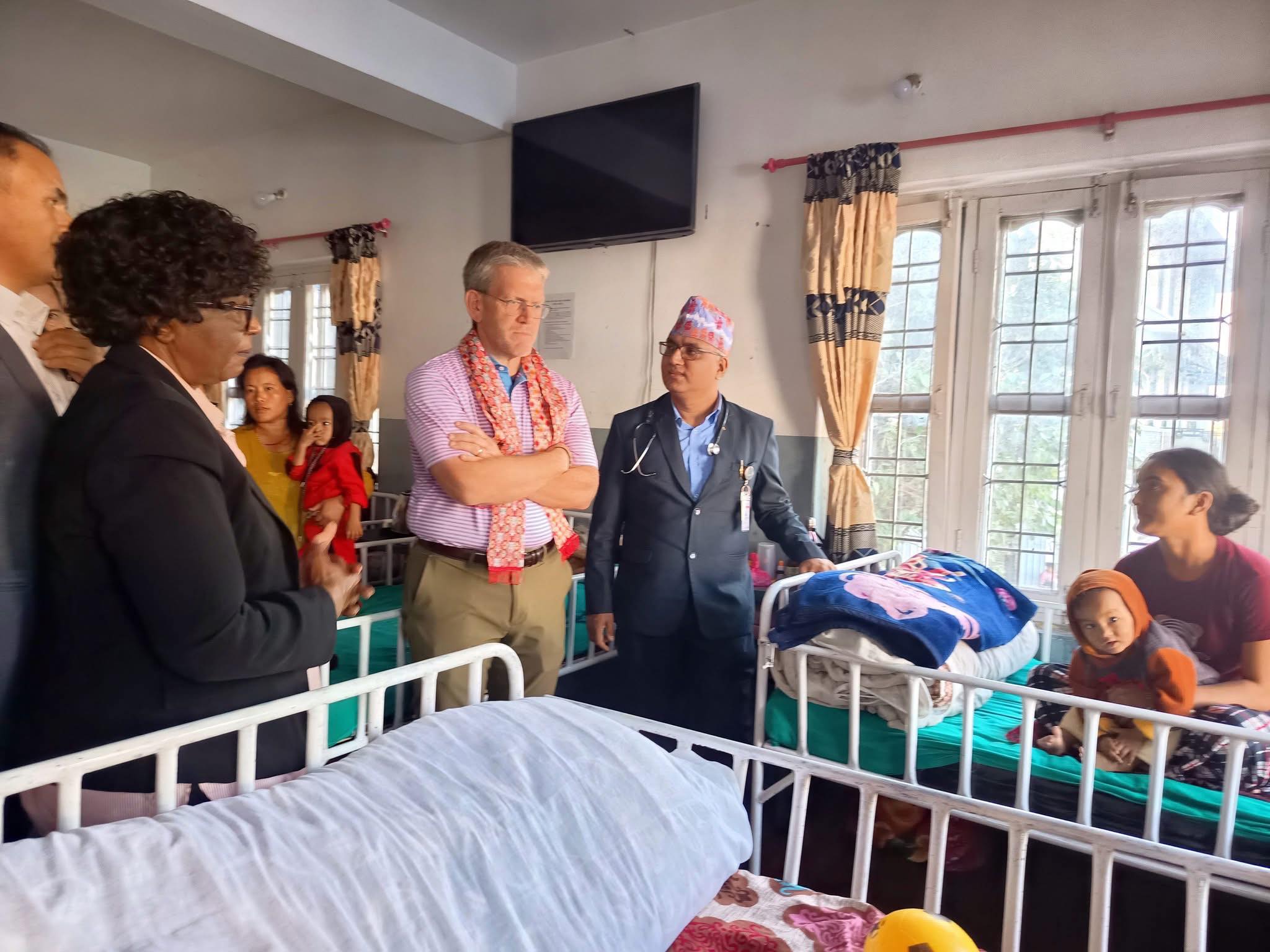
Pokhara, Nov 20: U.S. Ambassador Dean Thompson on Thursday visited the pediatric ward of the Western Regional Hospital under the Pokhara Academy of Health Sciences.

The ambassador’s visit was part of a monitoring trip to observe the progress, operation, and effectiveness of the neonatal health program, which the United States has been supporting continuously.

Professor Dr. Ram Chandra Bastola, head of the hospital’s pediatric department, welcomed Ambassador Thompson and guided him through the Neonatal Intensive Care Unit (NICU). Pfro. Dr. Bastola expressed gratitude for the U.S. government’s continued support and partnership in strengthening Nepal’s health sector, particularly in neonatal and child care.

“We feel greatly honored by the visit of the U.S. Ambassador to our NICU today. His presence and encouragement mean a lot to us,” Dr. Bastola said. “We sincerely appreciate the recognition of our work and the support in our mission to improve the lives of the most vulnerable.”

Ambassador Thompson praised the hospital for delivering quality services and pledged continued cooperation. He also indicated that U.S. assistance may expand into additional areas in the future.

Dr. Bastola drew the ambassador’s attention to the growing patient pressure and inadequate physical infrastructure. “Due to the quality of services, this hospital is the first choice for maternity and child healthcare. However, the number of patients is high, and space is limited,” he said.

He informed that the NICU has 15 beds, 17 beds for mothers, and 8 additional beds outside, all of which are insufficient to meet the demand.

Dr. Bastola stated that Ambassador Thompson also expressed commitment to establishing a breast milk bank at the hospital.

Meanwhile, he shared that a Pediatric Intensive Care Unit (PICU) has recently been established. Of the hospital’s 40 beds, 2 isolation beds and now 8 PICU beds have been added. He also noted that additional human resources are required to operate the unit effectively and requested support for the same.

The pediatric department, under Dr. Bastola’s leadership, has been widely praised by the public for providing effective and quality services.

Marche: A Hidden Paradise of Mustang [Photo Feature]

Raj Kiran Chhatkuli 5 months ago

When people think of Mustang, images of Muktinath, Kagbeni, or Lo Manthang often come to mind. Yet nestled quietly near these popular destinations lies Marche — a serene village still untouched by mass tourism, blessed with natural beauty and heartfelt hospitality.

The Journey Begins: Three Bikes, Five Friends

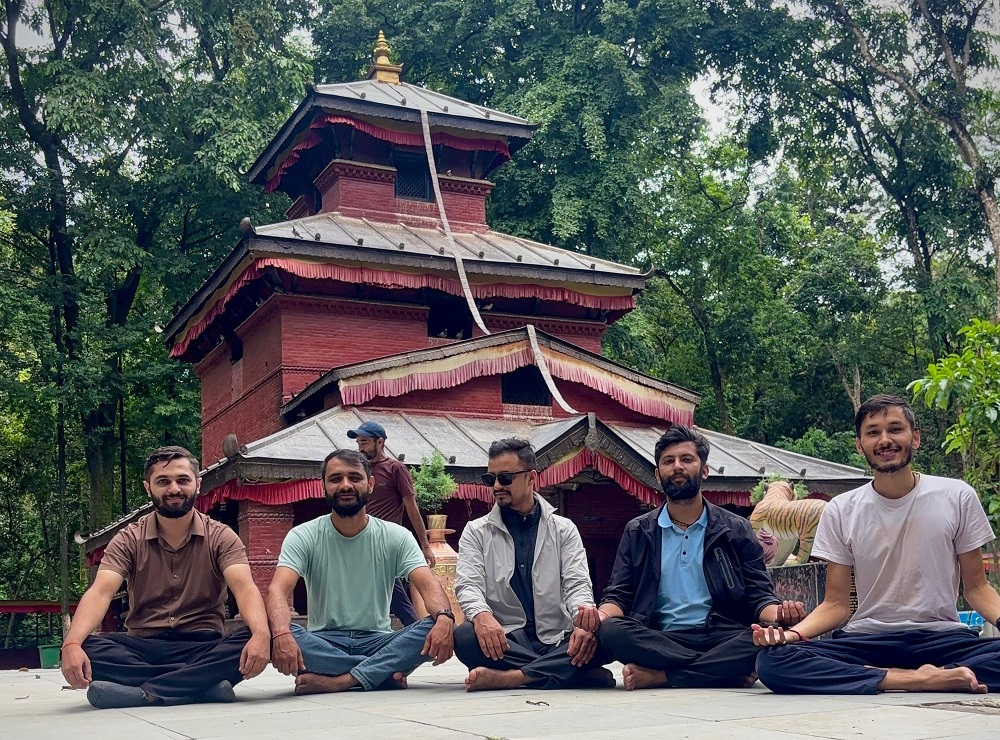
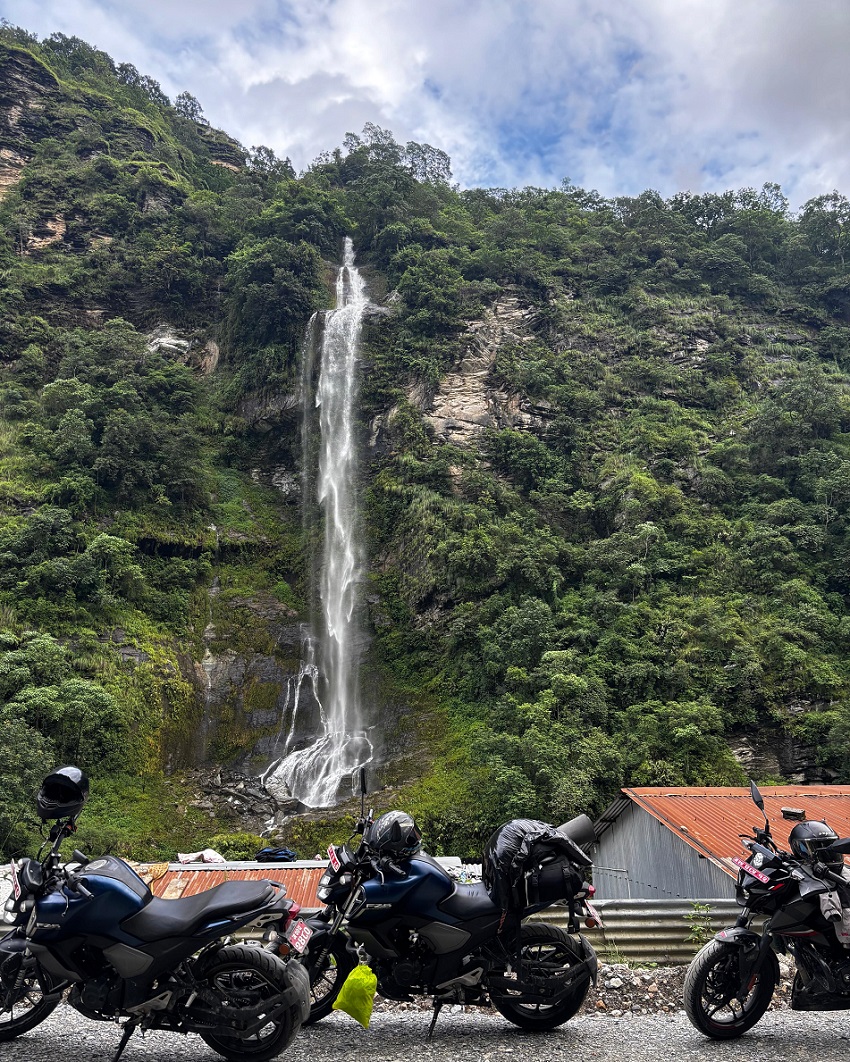
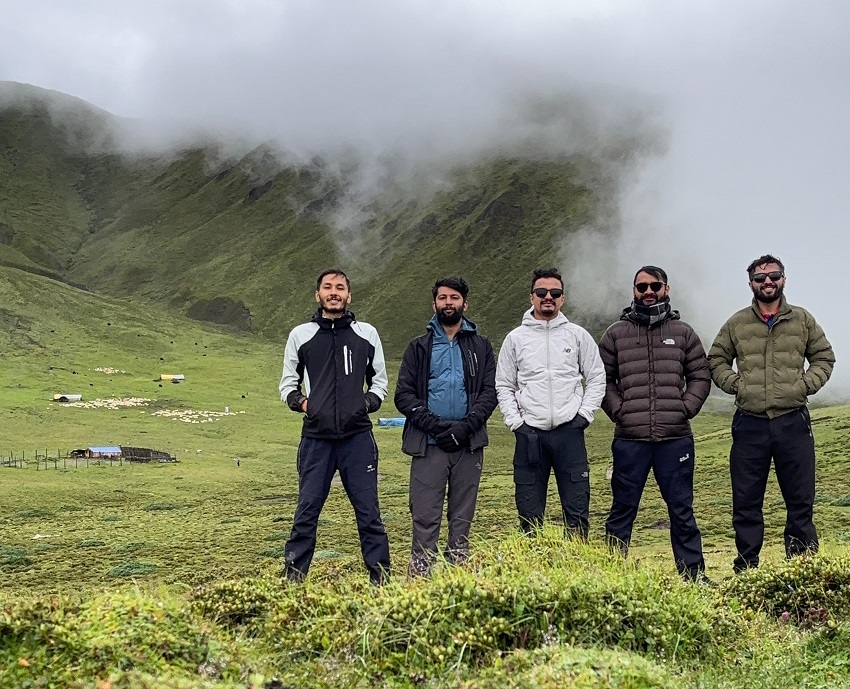
On August 14, 2025 (2082 Saun 30 BS), five friends set out from Pokhara on three motorbikes, taking the route via Baglung to Marche. Along the way, they stopped at the Baglung Kalika Temple for blessings before continuing through Beni and Lete to reach Khanti village. After spending the night at a local home, the group began their trek to Marche the following morning.

A Challenging Yet Beautiful Trail

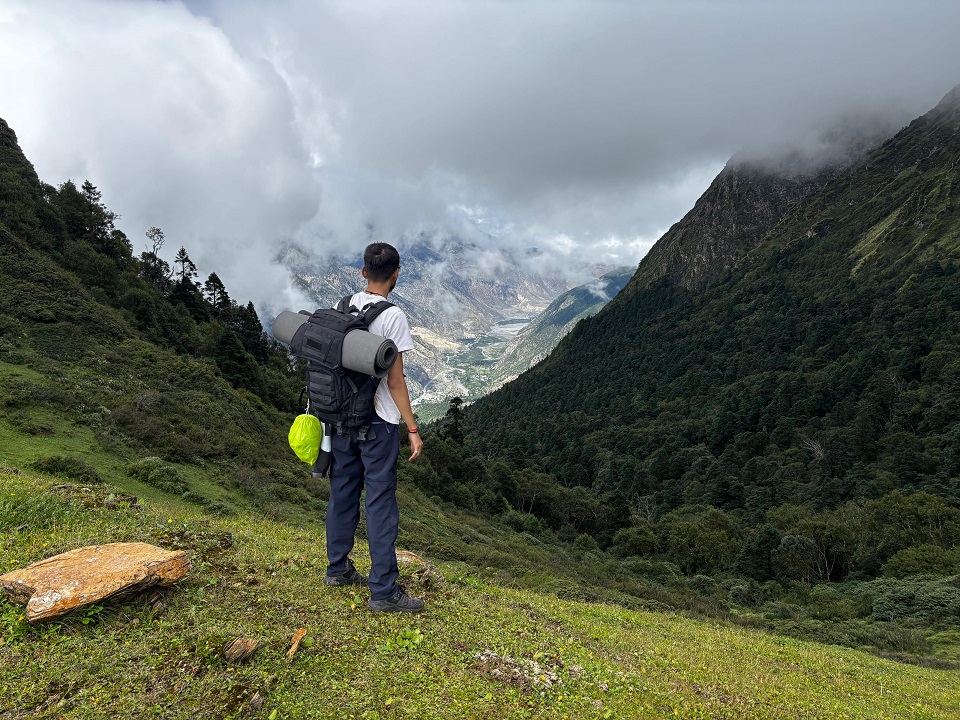
The path to Marche had no water sources, forcing the group to ration what little they carried. The monsoon had filled the trail with blooming flowers and fresh fragrances, though thick fog often obscured the route.

The group, known as the “Major Team” — also the name of Chhatkuli’s YouTube channel — comprised Roshan, Raj Kiran (author), Sudip, Santosh, and Bharat. After five hours of trekking, they finally arrived at Marche.

A Night in a Yak Shed

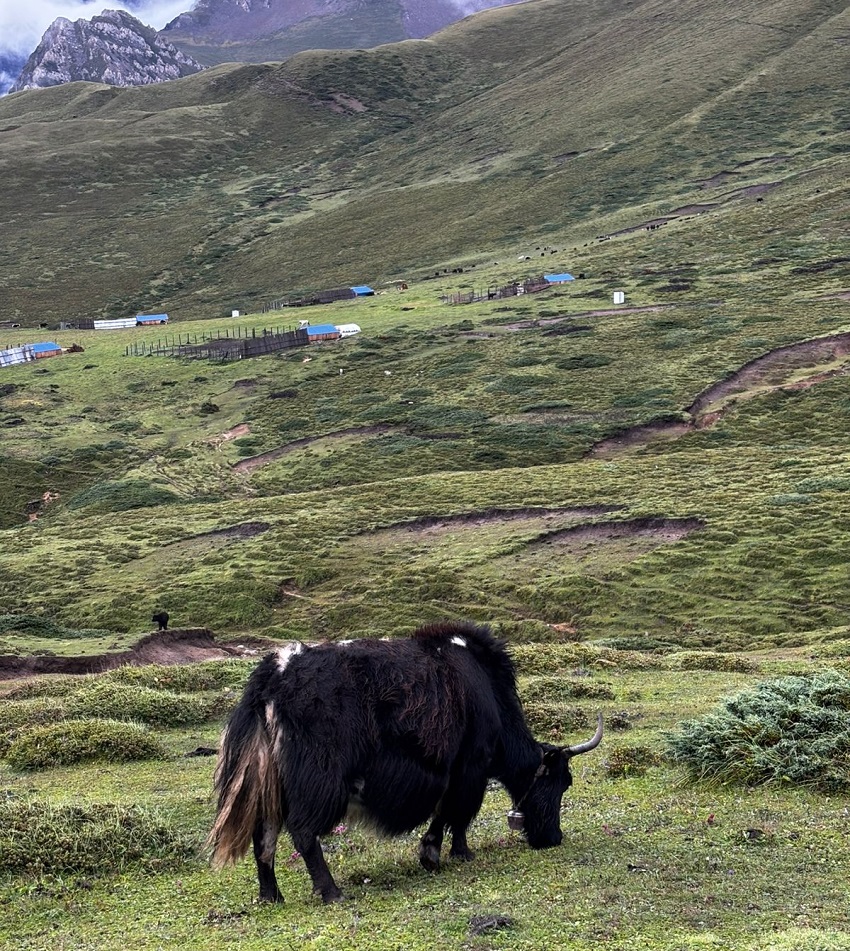
With no hotels or lodges in Marche, the travelers were welcomed into an old yak shed. The owner, preparing to leave for the pastures, kindly offered them shelter. Dinner was simple yet memorable — noodles mixed with vegetables, roasted potatoes, and later a stew of potatoes, soybeans, and cabbage cooked over a wood fire.

Sleeping arrangements were basic, with only woolen mats for bedding. Fortunately, the herder provided extra blankets, but the bitter cold made sleeping bags essential. Despite the hardships, the warmth of local kindness left a lasting impression.

Morning with the Herds

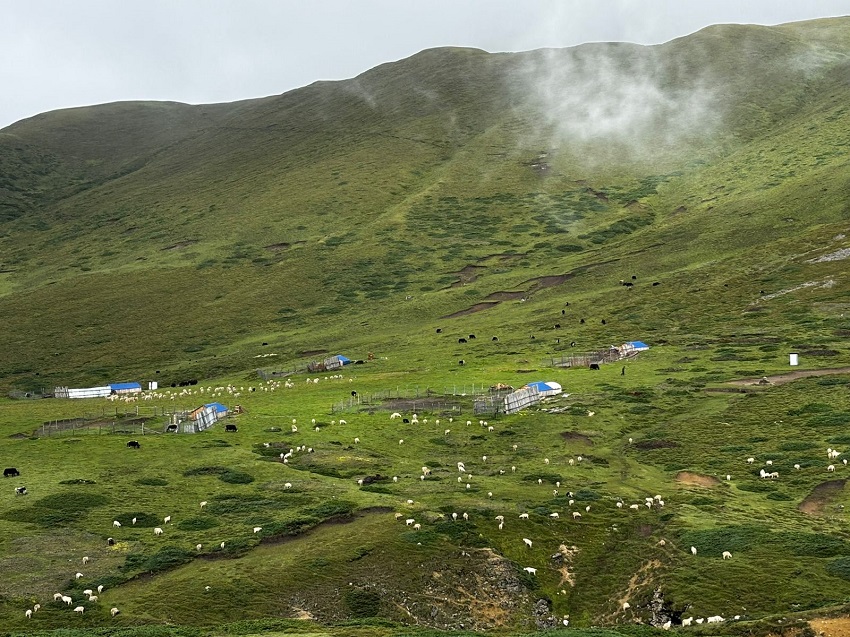
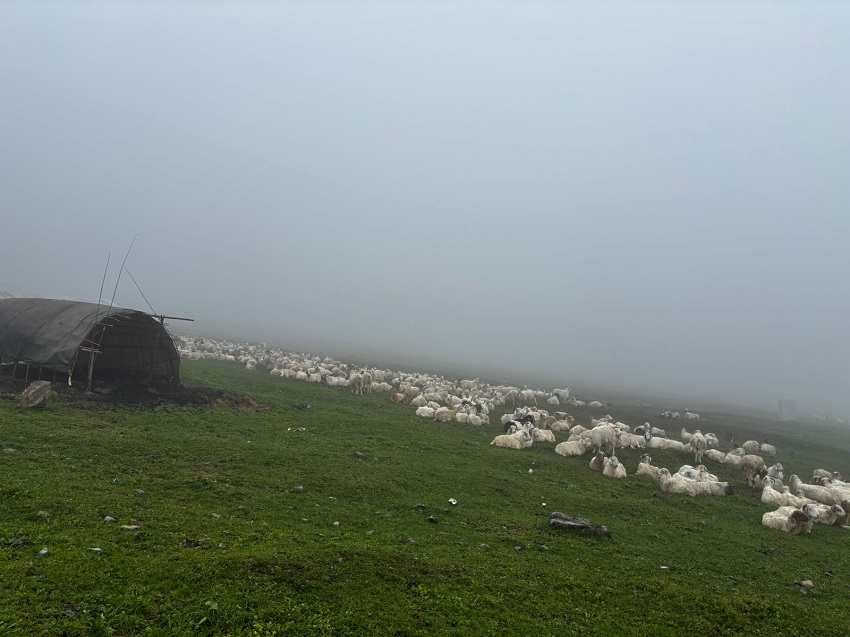
At dawn, the group was offered fresh yak milk before heading out to see the grazing sheep. The sight of green hills, herds dotting the slopes, and the golden glow of morning light created an unforgettable experience.

After a 2.5-hour walk back to Khanti, the group enjoyed a traditional meal of buckwheat porridge, tomato-coriander pickle, and fried potatoes — simple village food that tasted exceptionally delicious.

The Final Destination: Titi Lake

The journey concluded with a visit to Titi Lake, a small, pristine, and peaceful body of water surrounded by greenery. The serene environment washed away the group’s fatigue before they returned to Pokhara, drenched by rain but fulfilled by the experience.

Marche — The Soul of Mustang

Although it was his fifth trip to Mustang, Chhatkuli describes Marche as the most unique and heartfelt. The village offered glimpses of Himalayan life, natural beauty, and human kindness beyond words.

“What touched me most,” he writes, “was the herder’s quiet struggle and his small yet profound act of kindness — bringing us warm blankets for the freezing night. His compassion remains etched in my heart.”

Explore news by Source or Category